A quiet garage door opener for rooms above the garage is best achieved by choosing belt drive openers combined with nylon rollers and proper noise reduction steps like door balance and lubrication. At 24/7 Garage Door Repair, we recommend models with DC soft start and stop features to minimize vibration and keep garage door noise low.
Diagnosing Garage Door Noise: Why Is It So Loud?
Garage doors make noise for different reasons. Here’s why yours might be loud:
- Chain drive openers hit metal parts together, which makes more noise.
- Belt drive openers use rubber belts, so they sound quieter.
- Noise levels from garage doors usually fall between 70 and 90 decibels.
- That’s about as loud as a vacuum cleaner or some loud music.
- Old parts, no lubrication, or misaligned pieces can make an extra racket.
A smooth running garage door is what you want. Try getting a whisper quiet garage door opener with soft start and stop features through professional opener installation and repair services. These stop sudden jerks that add to the noise.
The Impact of Garage Door Noise on Rooms Above
Living above a noisy garage is tough. The noise travels up and can mess with your day:
- Residential garage noise control helps keep peace inside homes.
- Condos often have rules about how much noise is okay between units.
- Condo garage noise complaints happen when people get tired of loud doors.
- Home soundproofing solutions like adding insulation or panels can help.
If you fix the problem fast, your rooms will be comfy and quiet again.
Factors Contributing to Garage Door Noise
- Chain Drive vs Belt Drive Openers
- Chain drives hit metal on metal and make more clatter.
- Belt drives slide smoothly with less friction and less noise.
- Nylon Rollers
- These rollers move quietly along tracks without rattling around.
- They’re much better than steel rollers for cutting down sound.
- Vibration Isolation Mounts
- These mounts soak up shaking from the motor’s moves.
- They stop vibrations from spreading into rooms above.
- Direct Drive Openers
- They attach straight to the torsion bar without chains or belts.
- Fewer moving parts mean less chance for noisy parts banging around.
Knowing these things helps you pick upgrades that make your space quieter above the garage.
Choosing the Right Garage Door Opener for a Quiet Garage
Picking a quiet garage door opener helps keep noise down in rooms above the garage. A low noise garage door reduces rattles and vibrations that travel inside your home. Quiet motor garage door openers use smart parts to make doors run smooth and silent. You want to look for models made just for quiet home garage solutions. That way, your garage stays calm and peaceful.
Belt Drive Garage Door Openers: The Quietest Option
Belt drive garage door openers are the quietest you can get. They use a rubber belt, not metal chains like chain drives do. This change cuts noise a lot. Belt drives work smoothly with soft start and stop features. These stops prevent sudden jolts and less vibration happens. That means fewer clanks or shakes during use.
Here are the main perks:
- Very low vibration
- Smooth, steady moves
- Great for homes needing quiet garages
Because of this, many people choose quiet belt drive garage door openers when they want less noise above the garage.
Chain Drive Garage Door Openers: Noise Considerations
Chain drive openers use metal chains that make more noise as they move. The chains can clank loud and sound can travel through walls into rooms above. Chain drives last long and cost less but noisy chain drive openers may bother you if quiet is key.
Decibel measurements show chain drives usually sound louder than belt or direct drives. Some reach 70 decibels — about like city traffic noise — which can be annoying in homes.
If you pick a chain drive, try one with better dampening parts. You can add mounts that cut down on vibrations too.
Direct Drive Garage Door Openers: A Closer Look at Noise
Direct drive openers have one motor that slides along the track itself. No belts or chains are used here. This makes operation very smooth with little friction or shaking.
Silent garage opener technology helps these direct drives run almost silent. They fit well in places like bedrooms or offices over garages. These models also have fewer parts to break, so they last longer while staying quiet.
DC Motor Garage Door Openers with Soft Start and Stop: Minimizing Vibration
Garage door openers with DC motors often have soft start-stop features. This means the opener speeds up slowly when it opens and slows down gently before it closes fully. It stops sudden jerks that cause extra noise and stress.
DC soft start garage opener tech helps cut vibrations that go through mounting parts into walls or ceilings above your garage. Many newer quieting upgrades focus on this because it makes rooms nearby more comfy and extends how long the opener works by avoiding hard impacts.
Key Components for Noise Reduction
Nylon Rollers: Reducing Friction and Noise
Nylon garage door rollers move smoothly along the tracks, and garage door roller replacement services can help upgrade to these quieter options. They cut down noise a lot compared to metal ones. These rollers make your garage door run quietly and last longer. There are different garage door roller types, but nylon ones stand out. They help with noise-damping and reduce vibration, so your door works better.
- Nylon rollers glide quietly
- Less friction means less noise
- They reduce vibration on your door
- Nylon lasts longer than metal rollers
Vibration Isolation Mounts: Minimizing Sound Transfer
Vibration isolation mounts stop sounds from traveling through your garage walls. They use vibration dampening materials to absorb shaking from the door or opener. When you add these mounts, your garage door makes less rattling noise. They help reduce vibration and improve damping in your home.
- Mounts block sound transfer
- Special materials soak up vibrations
- Less rattling from door movement
- Makes rooms above quieter
Track and Bracket Adjustments: Ensuring Smooth Operation
Adjusting tracks and brackets keeps your garage door working well. Garage door track adjustment lines up panels right so they don’t rub or squeak. Bracket alignment holds parts steady so the door won’t wobble. A balanced garage door moves smoothly without extra noise or wear.
- Fix tracks to reduce rubbing
- Align brackets for steady movement
- Balanced doors work quietly
- Smooth track adjustment helps operation
Insulated Garage Doors: Damping Noise and Improving Efficiency
Insulated garage doors block out noise by soaking up sound waves. They also keep heat in or out, saving energy in your home. Garage insulation for noise works both ways—it stops outside sounds and quiets inside noises too. This kind of insulation gives good benefits for noise and energy.
- Insulation cuts down sound levels
- Blocks noises from outside and inside
- Keeps temperature steady indoors
- Energy-efficient garage doors save costs
The Importance of Lubrication and Door Balance
Lubrication helps your garage door move without squeaks or grinding sounds. Put lubricant on rollers, hinges, springs, and tracks regularly. Also, check the balance of the door often. A balanced garage door moves smoothly and won’t jerk loudly while opening or closing.
- Use lubricant to stop friction noises
- Keep all moving parts slick and smooth
- Check balance so door moves easy
- Balanced doors protect opener parts
Put together, these parts help make your garage quieter upstairs. Your doors will slide nicely with less sound while lasting longer and saving energy too.
24/7 Garage Door Repair’s Guide to Noise Reduction Techniques
Adjusting Tracks and Brackets for Reduced Noise
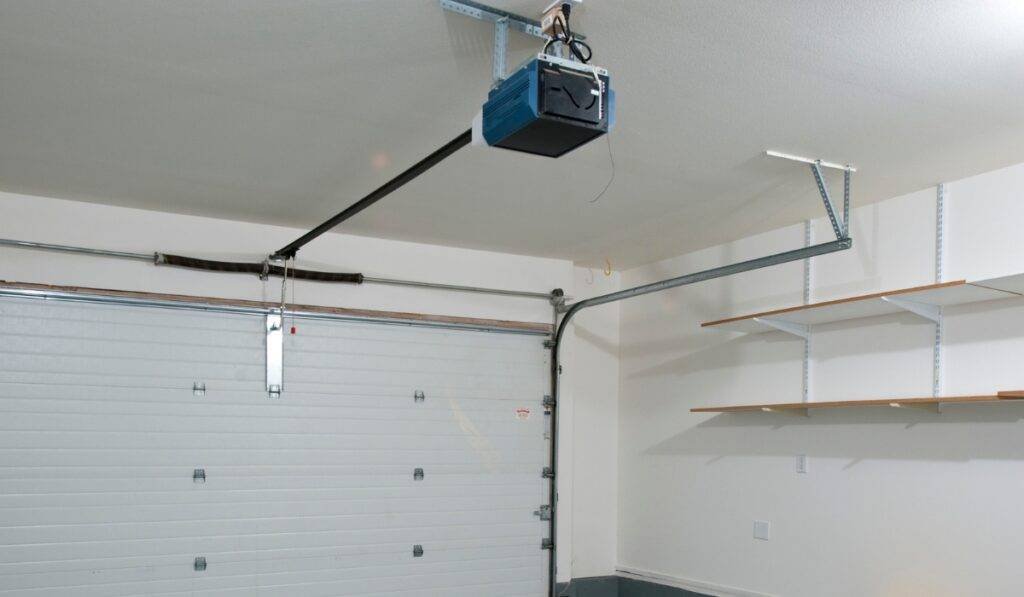
You need good garage door track repair and adjustment for less noise. If tracks or brackets are off, the door rubs or shakes. That makes loud sounds that can go upstairs. To fix this, check if both tracks are straight and tight. Don’t tighten brackets too much—they should hold the door steady but let it move smoothly. When your garage door bracket alignment is right, the door moves without wobbling. This helps keep the door balanced and quiet. A smooth track adjustment cuts down friction and stops banging noises when opening or closing.
- Check tracks for bends or dents
- Make sure brackets are snug but not super tight
- Keep tracks parallel on both sides
- Look for signs of wear or loose parts
- Test door movement for smooth, balanced action
Lubricating Moving Parts: A Step-by-Step Guide
Garage door lubrication lowers vibration and stops squeaks, making regular garage door maintenance services essential for quiet operation. Use silicone-based lubricant on rollers, hinges, springs, and tracks every six months. Don’t use heavy grease—it traps dirt and can cause more noise later. Properly lubricated parts slide better and stay quiet. This simple step is part of a good maintenance checklist. It keeps your garage door from making rattles that annoy rooms above.
- Clean parts before applying lubricant
- Spray silicone on rollers, hinges, springs, and tracks
- Wipe off extra lubricant to avoid dirt build-up
- Repeat every 6 months or when you hear noise
Balancing the Garage Door: Ensuring Smooth Operation
A balanced garage door moves without jerking or slamming shut. This balance also helps reduce vibrations felt in the house. You can check balance by unplugging the opener and lifting the door halfway up. The door should stay put without moving up or down. If it slides, your springs might need adjusting by a pro. Fixing balance keeps the door moving smoothly and quieter.
- Disconnect opener power first
- Lift door halfway slowly and watch if it holds position
- Call a professional if the door doesn’t stay balanced
- Don’t try to adjust springs yourself—it’s dangerous
Adding Vibration Isolation Mounts
Vibration isolation mounts help stop shaking before it hits walls or ceilings above your garage. These mounts use soft pads made of rubber or neoprene placed between brackets and wall studs. They act like cushions to soak up vibrations from motors or metal hitting metal inside openers. This vibration reduction technique cuts low hums that you might otherwise hear in living spaces above.
- Buy rubber or neoprene isolation pads
- Place pads between mounting brackets and framing studs
- Tighten screws gently so pads absorb shocks well
- Check mounts regularly for wear or damage
Installing an Insulated Garage Door
An insulated garage door does two things: keeps heat in and blocks sound out. Foam layers inside steel panels stop street noise and quiet sounds from garage parts moving around inside too. This is great if you have bedrooms or offices above your garage that need peace and quiet. For best results, add wall insulation made just for noise control with your insulated garage door.
- Choose doors with foam cores inside steel panels
- Install wall insulation designed for noise blocking too
- Check edges to seal gaps where sound could leak through
- Combine insulation with other noise reduction steps for best quietness
Recommended Quiet Garage Door Opener Models
24/7 Garage Door Repair’s Top Picks for Quiet Garage Door Openers:- When you have rooms above the garage, quiet garage door openers matter a lot. The best ones run smooth and silent. Our favorites are whisper quiet garage door openers that cut down noise and vibrations well. These recommended quiet garage door opener models use smart tech to keep sound low. They fit places where noise bothers people.
Look for openers called “silent” or “quiet.” They often use belt drives or direct drive systems to keep noise low. The best garage door for noise reduction also have insulated panels and soft-start parts to make less noise when they move.
Reviewing Belt Drive Models: Performance and Noise Levels:- Belt drive systems work with less noise. A quiet belt drive garage door opener uses a rubber belt, not metal chains. This stops rattling sounds a lot. These openers make smooth running garage doors without loud sounds.
Tests show good belt drives run around 50-60 dB. That is about the same as people talking softly. If tracks are lined up right and nylon rollers are used, friction and shaking drop even more.
Assessing Direct Drive Models: Noise and Reliability:- Direct drive garage door openers work very quietly. The motor moves along the track itself. This cuts out many parts that shake in other openers.
This design lowers vibration and makes the opener run smooth. Direct drive models last long while keeping noise low. They work great if you want silent operation and a strong opener.
Key Features to Consider: Technical Certifications and Noise Reduction Technology:- Check for tech certifications when picking a quiet garage door opener. Look for UL safety approval or ENERGY STAR labels that mean good energy use and quieter motors.
Tech like DC soft start-stop helps stop jerks when the door opens or closes. That cuts loud noises from sudden moves. Many new openers call this “DC soft start garage opener.” It makes starting and stopping smoother.
These features help your opener last longer and make it much quieter too—really good if you live above or near the garage where quiet matters most.